Best Blogs
13/05/2026
There was a time when rest days meant opting out of fitness entirely. It sounds sensible (and painless), yet recovery doesn't thrive on stillness alone. Muscles repair more efficiently when circulation is gently encouraged, and the body is reminded to keep moving without being pushed. As Fiona from City Cave puts it, "People are realising that recovery is just as important as activity."

Active recovery reframes the idea of a day off. It sits in that middle ground where effort is dialled back to around half your usual intensity, just enough to stimulate blood flow and support tissue repair. This could be like a walk that lifts the heart rate slightly, an easy cycle, a stretch session that opens tight areas, or a swim that loosens everything at once.
Research continues to back it up, linking light movement with reduced muscle soreness and stronger performance in the following session. Think of recovery as a continuation to keep momentum without strain. The result is a training rhythm that feels smoother, more sustainable and far more in tune with how the body actually rebuilds.
There is real physiology behind that lighter day. Gentle movement increases blood flow, delivering oxygen and nutrients to muscle tissue that has been stressed during training. At the same time, it helps clear out metabolic byproducts linked to soreness. Not lactic acid as once thought, but other compounds that build up during effort and contribute to that heavy, stiff feeling.
Keeping the body moving also prevents muscles from tightening after intense sessions. Anyone who has sat still the day after leg day knows how quickly stiffness can set in. Add in the benefit of better sleep, thanks to light activity supporting your circadian rhythm, and recovery starts to look like a performance tool rather than a break. There is also the mental shift. A low-effort session can lift your mood and ease that restless energy that tends to creep in on days without structure. As Fiona explains, "Often the most powerful recovery tools are actually very simple; quality sleep, nervous system regulation, hydration and giving the body time to repair."

A rest day and an active recovery day are not interchangeable, and both deserve a place in your routine. A full rest day means no structured movement at all. It's essential when you are run down, short on sleep, dealing with injury or feeling mentally drained.
Active recovery, on the other hand, is for when your body feels worked but capable. You're not skipping recovery; you're supporting it in a more deliberate way. Knowing which one to choose comes down to paying attention to how you feel rather than sticking rigidly to a plan. So listen to your body.
Training is only half the equation. The real payoff happens afterwards. Every workout creates tiny tears in your muscle fibres, and recovery is when your body gets to work repairing and rebuilding them, making them stronger and more resilient than before.
At the same time, your energy stores are topped back up, especially glycogen, which your muscles rely on for fuel. Your nervous system also gets a chance to reset, which means better coordination, sharper reaction time and stronger output when you return. Fiona notes that your nervous system shifts out of fight-or-flight and into a parasympathetic state, which is the body's recovery mode.
Skip that phase, and things start to wobble. Progress slows, sessions feel harder than they should and your body becomes less forgiving. Keep pushing without enough recovery, and it will make itself heard through fatigue, flat performance and a greater chance of injury.
"Recovery isn't a luxury; it's essential for both physical and mental health."
— Fiona, City Cave
A recovery session doesn't need to be long to be effective. Around 30 minutes is enough, as long as it's intentional rather than rushed.
Start with a 10-minute walk at a relaxed, steady pace. Just enough to gently lift your heart rate and encourage circulation. You should be able to hold a full conversation without thinking about it. If you feel puffed, ease back.

From there, move into 10 to 15 minutes of mobility work or stretching. This is where you tailor things to your training. Worked your lower body the day before? Spend time opening the hips, hamstrings and calves. Upper body session? Focus on shoulders, chest and upper back. Slow, controlled movements work best here. Think smooth and deliberate, not intense and dramatic.
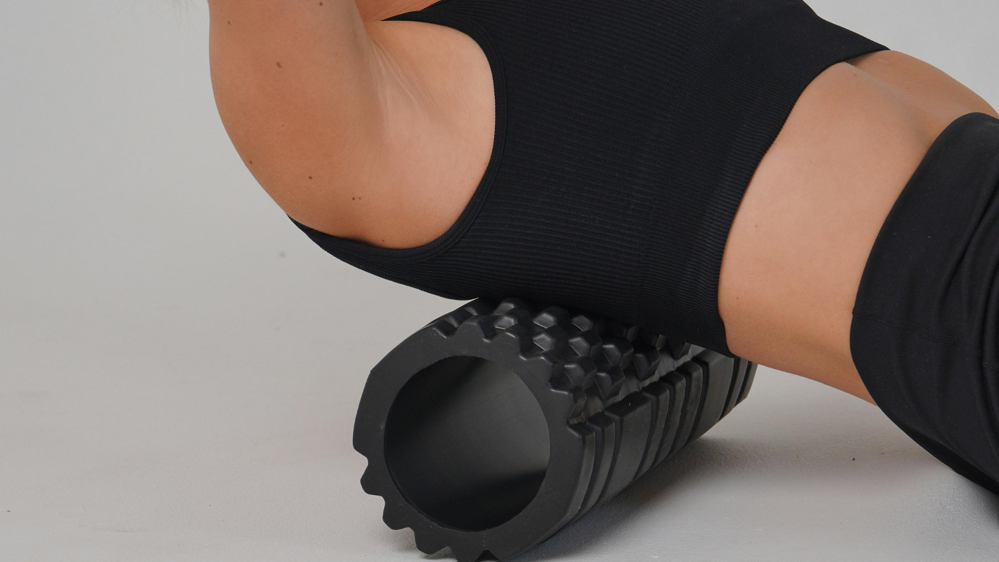
Finish with a few minutes of foam rolling if your muscles feel particularly tight or tender. Move slowly over each area and pause on spots that feel sensitive, giving them time to release. It should feel like a productive kind of discomfort, not something you need to brace against.
Throughout the session, keep your effort around three to four out of ten. No need to tick a workout box; instead, you're helping your body do its job better so you can come back stronger next time. As Fiona reinforces, "Recovery isn't a luxury; it's essential for both physical and mental health."
Wellness delivered to your inbox.