Best Blogs
09/12/2025
Ever notice how you feel like a completely different person in a dim, cosy coffee shop versus under fluorescent office lights? That's not just vibes. Light, especially coloured light, can mess with your mood, energy levels and even how stressed out you feel.
What if you could channel that for good? Chromotherapy, also called colour light therapy, does just that by usings different wavelengths of visible light to influence mood, energy and wellbeing.
Chromotherapy works on the idea that different colours vibrate at different frequencies which work with your body's energy systems to promote healing, reduce pain and balance your mood, or just help fix whatever's feeling off.
Like mood lighting for your insides, each colour has a purpose and when applied intentionally, can nudge your body and mind towards balance.
The story of how coloured light became a therapeutic tool spans thousands of years. The Egyptians built healing temples with rooms painted in specific colours and positioned to catch sunlight at different times of day. They used coloured minerals and crystals, ground into pigments to create environments where colour saturated every surface.
Greek physicians prescribed sunlight exposure for various ailments. Chinese and Indian healing systems incorporated colour into diagnostic and treatment approaches. These weren't random aesthetic choices. Ancient healers observed that people responded to colour and light in ways that seemed to affect their health, even if they couldn't explain the mechanisms.
What they were observing, we now understand, has to do with how light interacts with our biology. Each colour in the visible spectrum represents a different wavelength of electromagnetic radiation. When these wavelengths enter our bodies through our eyes and skin, they trigger responses in our nervous and endocrine systems.
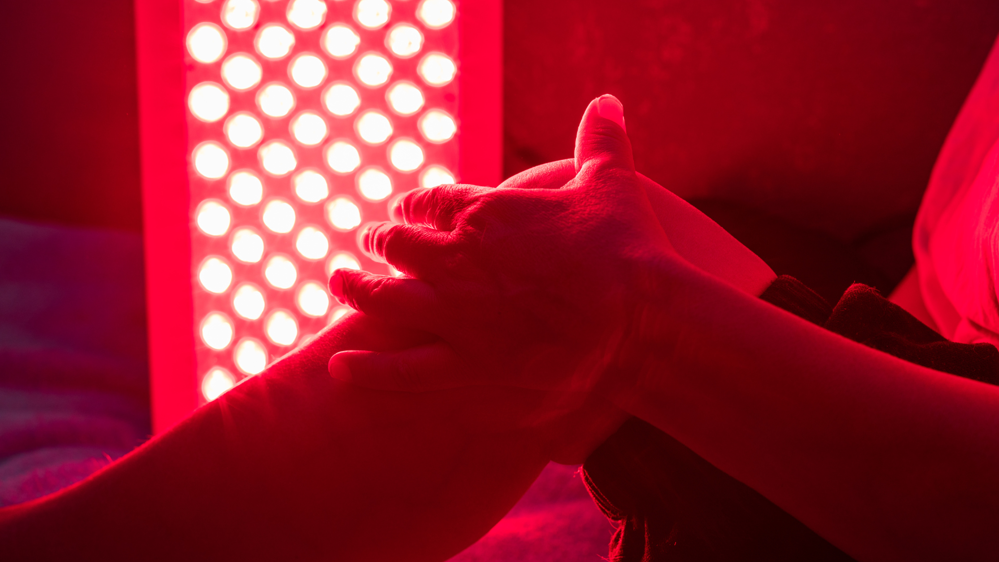
After treatment, people report better sleep, reduced anxiety, eased tension and even a boost in focus. So, it is unsurprising that in today’s ever-evolving wellness scene you’ll find colour therapy built into loads of modern wellness products, from handheld devices and infrared saunas with LED lights cycling through colours to specialised chromotherapy rooms.
Different wavelengths interact with your system in slightly different ways. That’s why LED colour light therapy devices use very specific hues, each designed to hit the right notes for your energy, your stress or your mood. Blue light is calming, perfect for winding down after a chaotic day or nudging your nervous system into chill mode. Red light is the energy booster, circulation stimulator and overall get your act together hue. Green sits right in the middle of the spectrum and has a balancing effect that's uplifting without being overstimulating. Yellow light gets associated with mental clarity and optimism. Violet and indigo, at the far end of the spectrum, create environments that feel deeply restful.
“Red light therapy’s biggest benefit is reduced inflammation, pain relief and boosted collagen production,” says Tommy, founder of Zen Wellness Studios in Ramsgate. “People usually notice improvements in pain, skin, sleep, energy and mood pretty fast. Sometimes it’s immediate, sometimes it’s within a few hours.”
Clients are often surprised by what colour therapy involves. “People think it’s just staring at colours,” Tommy says. “It’s really about specific light wavelengths that influence physical and emotional health.”
Their red light therapy beds use precisely calibrated LED wavelengths that penetrate layers of skin and tissue to stimulate collagen, repair cells and improve skin tone, texture and elasticity. The studio also offers a full-spectrum infrared sauna that combines deep heat with medical-grade chromotherapy lighting to relax muscles, ease tension and support overall recovery. “Using an infrared sauna before red light therapy can be super beneficial,” Tommy says. “It increases blood flow, warms the muscles and makes the body more receptive to the red light. That can support recovery, reduce inflammation and help with skin improvements.”
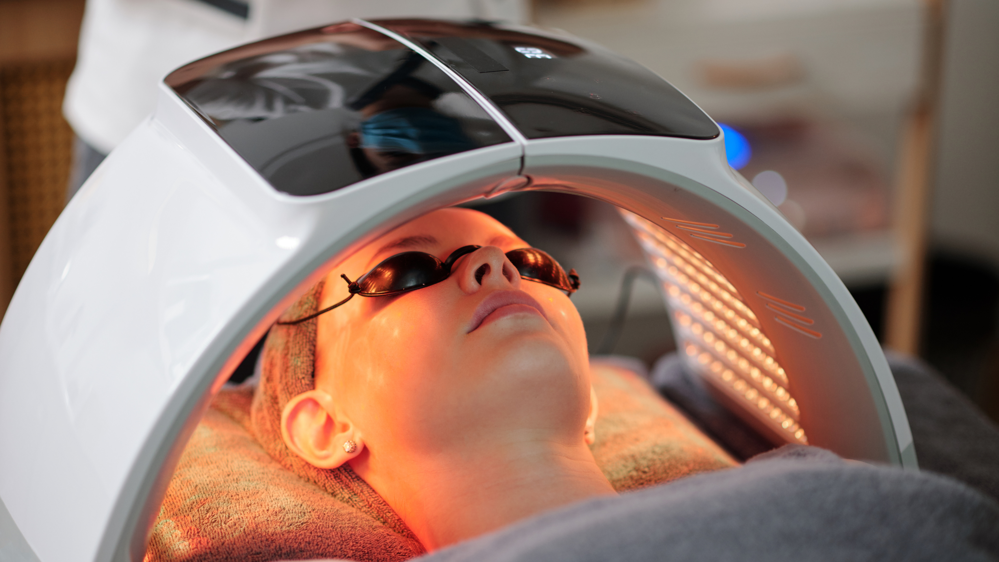
Research has shown that light affects the production of serotonin and melatonin, two neurochemicals that regulate everything from our mood to our sleep patterns. Pink and green wavelengths have been linked to calming effects and studies have also demonstrated that blue light can accelerate relaxation after stress, making it a natural reset for the nervous system.
Professional wellness centres offer expansive chromotherapy rooms, serene treatment beds and carefully calibrated LED panels designed for a fully immersive experience. The lighting is tuned precisely, the environment is carefully controlled and the session is guided to maximise benefits.
Tommy adds, “Professional sessions are more intense and use higher-quality medical grade equipment which lead to faster and more effective results. At-home therapy is more like maintenance mode, great for topping up benefits and fitting into a busy schedule but not as potent.”
Wellness delivered to your inbox.


