Best Blogs
27/05/2026
There's something oddly philosophical about the choice between heat and cold. One promises to melt the tension away, and the other to shock you back to life.
Both have earned a fiercely loyal following. Sauna devotees swear by the ritual of heat and sweat. Cold plunge converts rave about the electric clarity of an ice bath. Both have a genuine scientific basis behind them, and both are appearing at an increasing number of wellness venues across Australia. But if you're trying to decide which belongs in your recovery routine or whether you need both, here's what you should know.
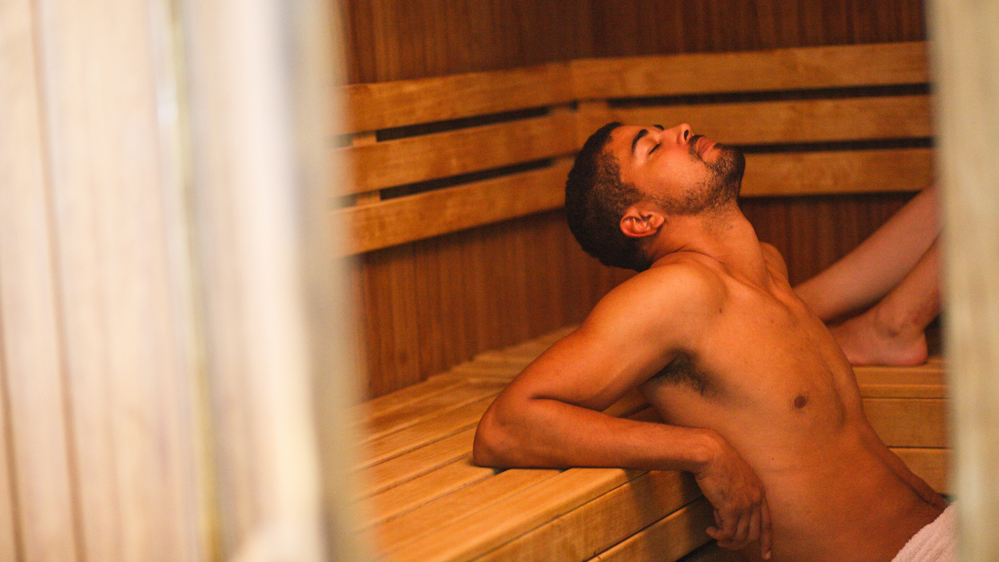
Step into a traditional Finnish sauna or an infrared cabin, and your body immediately gets to work. Your body's core temperature rises, blood vessels dilate, and circulation increases dramatically. The flood of warmth encourages muscles to relax and loosen, which is why a session after a hard workout or a long week can feel so deeply restorative. Heat exposure also triggers the release of endorphins and growth hormone, which further support tissue repair and mood.
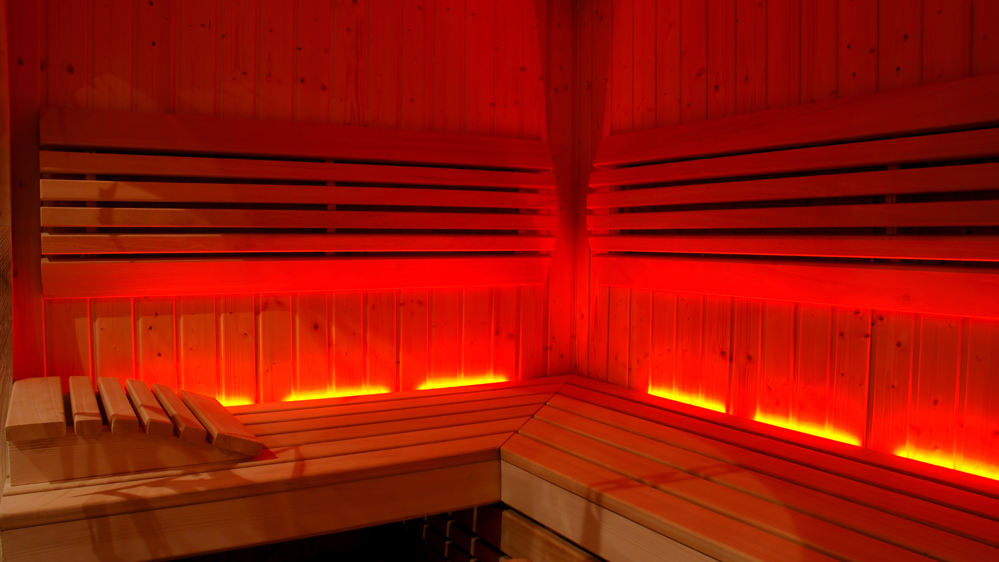
Regular sauna use has been associated with reduced muscle soreness, improved cardiovascular function and better sleep quality, benefits that compound over time. Traditional Finnish saunas run at 70 to 100 degrees Celsius with low humidity. Wood-fired saunas offer much the same experience with the added atmosphere of an open flame. Infrared saunas operate at lower temperatures but use light waves to penetrate more deeply into the body's tissues, delivering a powerful sweat at a gentler ambient temperature.
Sessions typically run 15 to 30 minutes, and the afterglow tends to linger well after.
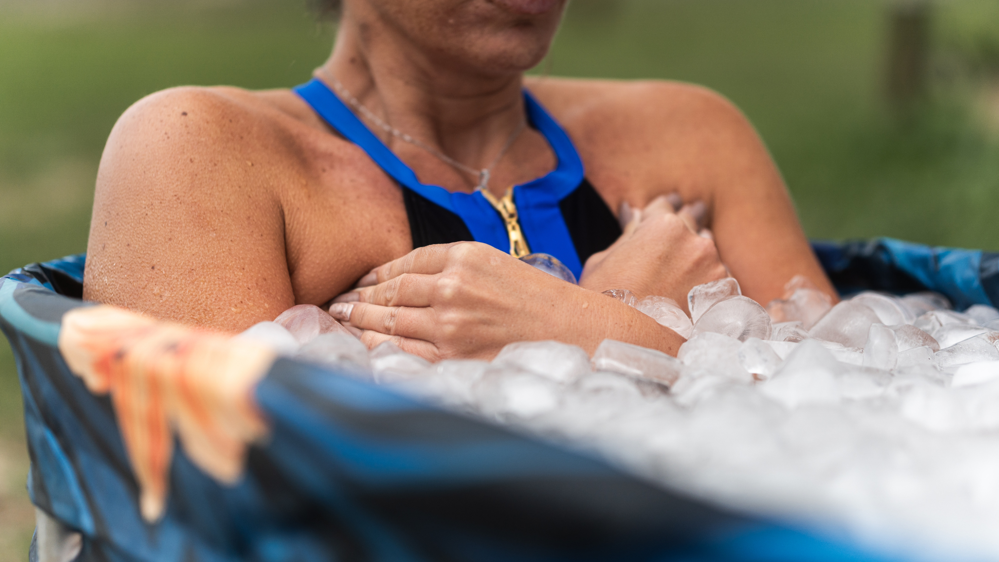
Where a sauna opens everything up, an ice bath shuts it down. Deliberately, and to good effect. Cold water immersion causes blood vessels to constrict sharply, thereby dampening the inflammatory response and significantly reducing the soreness and swelling that typically follow intense training.
The cold shock also activates the sympathetic nervous system, releasing norepinephrine, a stress hormone that, when delivered in controlled doses, sharpens focus, lifts mood and builds resilience. Regular cold exposure has been associated with improved immune function, reduced anxiety and a boost in mental clarity. Ice baths run between 10 and 15 degrees Celsius, in sessions of three to 10 minutes. It demands willpower and your full attention, and first-timers often describe the initial plunge as overwhelming, but it will be followed by a calm that can only be described as earned.
Used together, a sauna and an ice bath form one of the most effective recovery protocols available. A typical contrast therapy session involves 10 to 15 minutes in the sauna followed by three to five minutes in the cold plunge, repeated for two or three rounds. Moving between the heat and cold creates a pumping effect on the circulatory system by dilating blood vessels and then constricting them, which is thought to accelerate the flushing of metabolic waste, reduce inflammation and dramatically improve recovery time. Many athletes describe the combined effect as a full system reset, simultaneously energised and deeply relaxed in a way neither treatment delivers alone.
There is also a mental dimension. The sauna asks you to surrender to discomfort gradually. The ice bath demands you face it head-on. Practising both builds a kind of nervous system resilience and a trained ability to stay calm under physical stress.
Neither treatment is without risk, and both deserve a sensible approach. If you have cardiovascular conditions, low blood pressure or are pregnant, consult your doctor before trying either. Hydrate well before and after a sauna session, and if you're new to cold exposure, start conservatively. A few minutes at 10 to 15 degrees is more than cool enough to begin with.
Go Deeper
Looking to take it a step further? Learn about one of the most simple and powerful tools for calming the nervous system in our guide on breathwork.

If you're managing general fatigue, stress or tension and want a deeply restorative ritual, start with the sauna. If you need to reduce acute inflammation quickly after heavy training or an endurance event, the ice bath is the best tool. But if you want the full picture, faster recovery, sharper mental clarity and a genuinely transformative experience, do both.
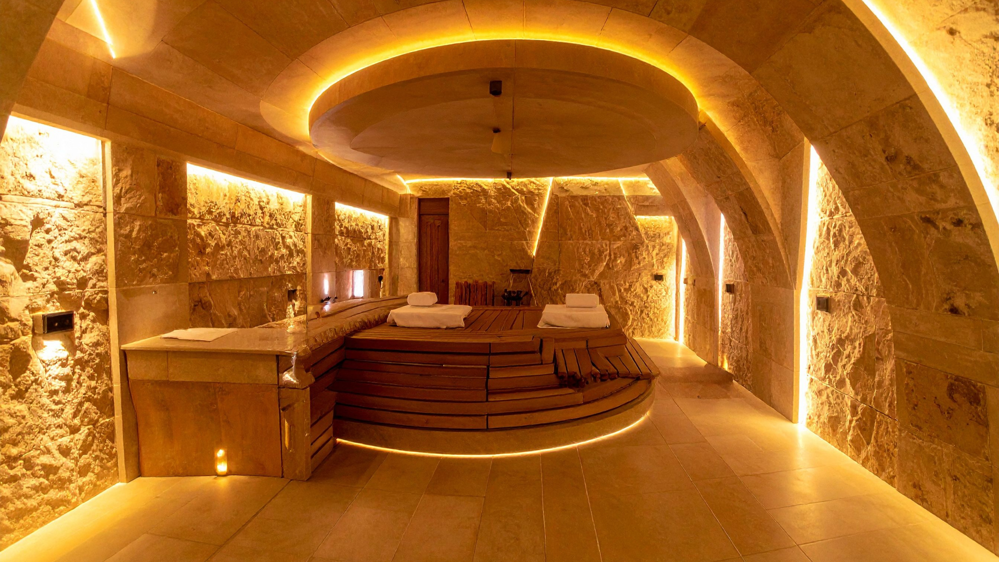
Both sauna and ice bath treatments are available at a growing number of wellness venues, day spas and recovery centres across Australia. Dedicated recovery spaces are now purpose-built for the full experience, with traditional Finnish saunas, infrared cabins, cold plunge pools and complete contrast therapy circuits all under one roof. Many venues have made the ritual element central to the experience too, with thoughtful design, quality materials and an atmosphere that makes you want to linger.
Wellness delivered to your inbox.