Best Blogs
20/05/2026
Most mornings can feel like everything feels slightly ahead of you before you've properly arrived in it. The alarm goes, notifications begin stacking, thoughts start organising themselves around tasks. Morning movement rituals sit in a different lane to that pace. They give the body something simple and intentional to do first, creating space before the day starts asking for decisions (and coffee).

No need to go full throttle so soon with a full workout or a strict structure. It's more about small, repeatable actions that do things like wake up circulation, support digestion, and bring the nervous system into a steadier rhythm. Even a few minutes can alter how the rest of the day unfolds, especially when paired with early natural light.
The aim is not to add pressure to mornings. It's to make them feel more grounded through movement, breath and simple recovery-based practices that prepare the body for what is ahead.
After sleep, your body is still transitioning between rest and wakefulness. Blood flow is slower, joints feel less fluid and the brain is gradually shifting into alert mode. Morning movement helps bridge that gap.
Light activity, such as stretches or a few minutes of yoga, increases circulation, which delivers oxygen and nutrients to muscles and organs that have been at rest. This helps reduce stiffness and improves how the body feels when it begins to move through normal daily tasks.
Digestion tends to like a bit of movement early on, too. A short walk or some gentle stretching can help get things moving through the gut, which supports regularity and takes the edge off that heavy, slow feeling you can sometimes wake up with.

The nervous system comes along for the ride as well. Low-impact, weightless movement, such as swimming or flat tanks, helps keep your stress response more even, which makes energy and focus feel steadier. When you're not straight into high-intensity training or scrolling through screens first thing, the body gets a bit more space to settle into a calmer, more natural rhythm.
Sunlight exposure early in the day adds another layer. Natural light helps anchor the circadian rhythm, supporting alertness during the day and better sleep later at night.
"Morning movement doesn't need to be elaborate to make a difference; it just needs to be something you actually do."
Morning movement works best when it's simple and compelling enough that you'll actually do it again tomorrow.
Walking is probably the easiest place to start. A 10 to 15-minute loop around the block, coffee in hand if that helps, is often enough. Nothing brisk or performance driven (unless you want it to be), just enough to get your legs moving, your shoulders loosening, and your head clearing a bit before the day fully kicks in.

Stretching works just as well. Think reaching your arms overhead a few times, rolling your shoulders back, gentle twists while you're waiting for the kettle or brushing your teeth. Maybe a slow forward fold, a bit of movement through the hips.
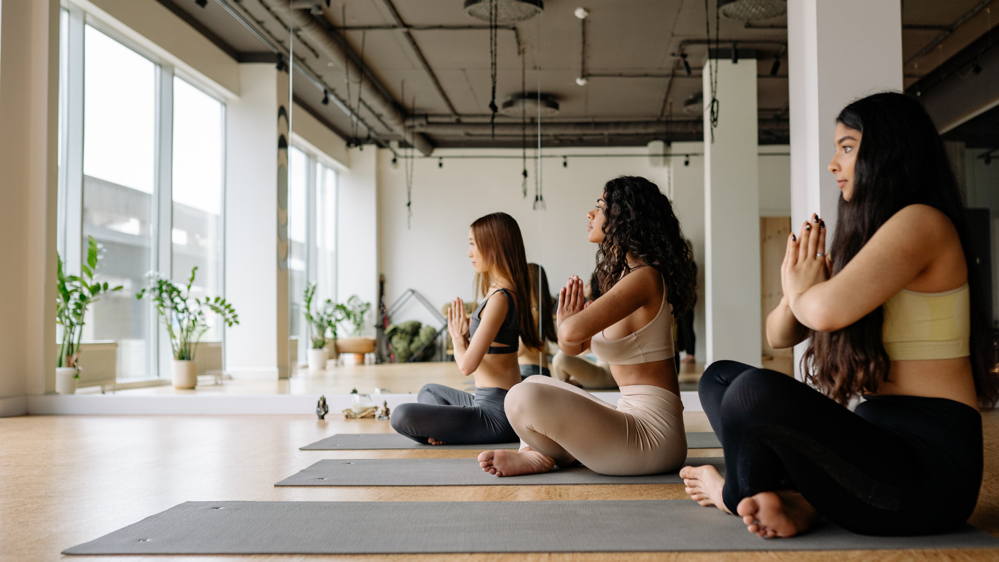
If you like a bit more flow, a short yoga sequence can tie it all together. A few sun salutations, child's pose, downward dog, maybe a low lunge or two. Just keep moving and breathing at the same time. Pilates can do something similar but a bit more focused, especially for core activation and waking up the stabilising muscles that keep you upright through the day. Look for local classes if you prefer to be guided; most begin early in the morning for convenience.
And then there's the less structured option, which honestly works for a lot of people. Put on a song you actually like and just move. Stretch, sway, dance, walk around the room, shake out your arms.
Water brings a different quality to morning routines. Swimming, even at a gentle pace, creates full-body engagement without a heavy load on joints. The pressure and resistance of water support circulation while keeping movement smooth.
Float tanks offer a more contained experience. Sensory input drops away, allowing the body and mind to settle without distraction. Many people use this time for recovery, mental reset or simple decompression before the day builds momentum. Again, find somewhere nearby and book yourself in for a morning reset before the rest of the day unfolds.

Both practices share a similar outcome. They reduce external input while supporting internal awareness, which can carry through into clearer thinking and steadier energy.
Morning movement doesn't need to be elaborate to make a difference; it just needs to be something you actually do. A few minutes of walking, stretching, breath or water can set a steadier tone that carries through the rest of the day without asking for much in return.
Resources
healthyhabitsblog.net/health-and-beauty/wellness/10-morning-rituals-to-kick-start-your-day-with-energy-and-focus
wellbeingmagazine.com/morning-movement-rituals
swimmerliving.com/1786/early-morning-swimming-benefits
biologyinsights.com/is-it-good-to-do-yoga-in-the-morning
Words by Lana Al Habl
Wellness delivered to your inbox.