Best Blogs
08/12/2025
In the space of health and wellbeing, you have most likely heard of both acupuncture and dry needling, perhaps even used interchangeably. But the two treatments are vastly different, and understanding what differentiates them can be helpful when deciding which one is right for you. While each share similarities, and dry needling certainly has its roots in acupuncture, the two differ everywhere from the foundational principles to the technique, to the scope of treatment. Below, we’ve explained the main features that separate them, and which to consider while deciding which is the best choice for you.
Acupuncture is an ancient practice performed in Chinese medicine that focuses on the movement of Qi (or energy) through the meridian points of the body. Practice works on the basis that our bodies have energy channels that pass through us that, when disrupted, can cause physical, emotional and energetic problems. Needles are placed along the body’s meridians- the pathways along which Qi flows. The insertion of needles at specific points acts to harmonise the meridians and allow energy to flow effectively once more. Acupuncture does not just focus on one specific problem area of the body, instead of taking a holistic approach that involves overall wellness. Because of the many benefits of acupuncture in Chinese medicine, it is utilised for more than just physical or muscular ailments, also used to treat issues such as anxiety, infertility and nausea.
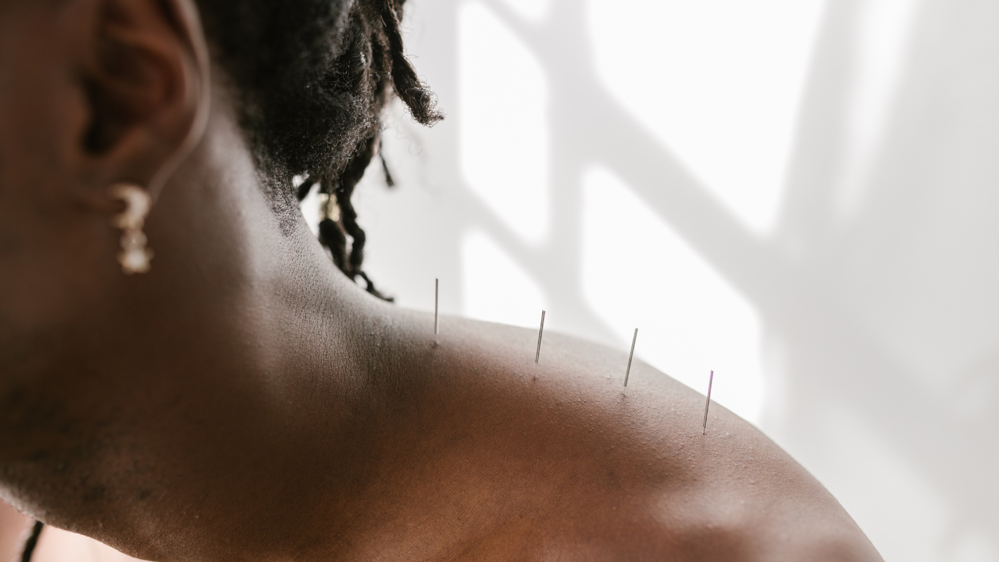
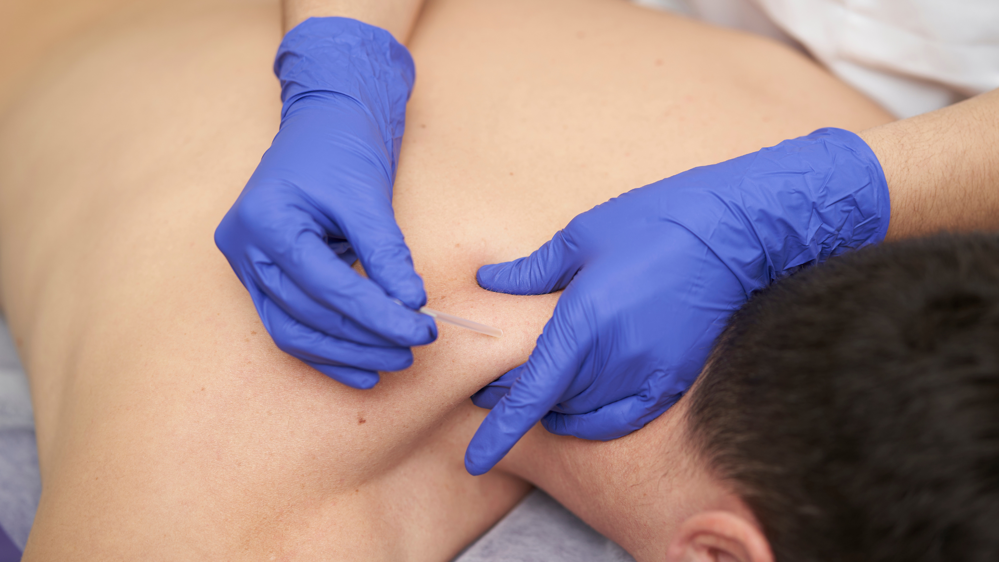
Alternatively, dry needling is performed with similar tools but with a completely different approach and focus. Dry needling is a Westernised treatment where needles are placed in specific points to relieve tension- largely used to treat muscular pain, chronic pain and injuries. The insertion of needles into trigger points can restore blood flow, relieve tension, and reduce inflammation. Dry needling is likely to be performed by a trained clinician, usually a physio or a chiropractor, who will work on a localised part of the body relating to where the problem area is.
So how do you know which is right for you? There are various factors to consider when deciding, and we’ll go through them below.
Dry needling and acupuncture both have their share of benefits, so choosing which might best fit your needs can depend on what you’re seeking treatment for. For specific physical tension, injury or pain, dry needling may be better suited for your needs as your practitioner focuses on the problem area and the trigger points associated with them. The professional providing the service may also recommend other treatments for your pain, such as strengthening exercises, massage, and further medical investigation.
An acupuncturist can also be used for a particular part of the body that is causing you problems but can be employed to help with more general issues as well. Acupuncturists, when used with other treatments, have been proven to help conditions including nausea, headaches and migraines, fibromyalgia, arthritis, asthma, menstrual cramps and addiction. While more research needs to be done in the area, acupuncture is also said to help with insomnia, anxiety, depression, irritable bowel syndrome, infertility, and gastritis. If you are looking for a holistic treatment that will benefit your overall wellbeing, acupuncture may be a better fit for you.
Another factor to consider when comparing the two treatments is their cost. While both can charge similarly, the amount charged will vary depending on the practitioner, how long the service lasts and what is included. Acupuncturists in Australia typically charge between $60 and $120 per treatment. Some treatments may be higher in price, such as those typically provided for fertility, while auricular (acupuncture of the ear) is generally cheaper- between $60-$90. Conversely, dry needling generally costs between $70 and $140 and will usually be included under the services of a physio, chiropractor or other healthcare provider. For this reason, the cost will usually be inclusive of a larger treatment plan for your problem area. While dry needling can be the more expensive of the two, it is generally more likely to be covered by insurance.
As previously mentioned, knowing what you are hoping to achieve out of your treatment will help hugely in making the decision between acupuncture and dry needling. For acupuncture, an acupuncturist, Chinese Medicine centre or holistic treatment centre will be the best places to find accredited and authentic acupuncture practice. Dry needling is usually offered through licensed physio or chiropractic practices.
Now that we’ve covered the basics, here are some more quick things to note before you make your acupuncture or dry needling appointment.
While it’s rare for the insertion of the needle through the skin itself to hurt, you may feel some pressure or discomfort as the point reaches the trigger point or is manipulated. The needles used in both practices are very fine and not hollow, so you will not experience the same pain as you would with a needle used for an injection or blood collection.
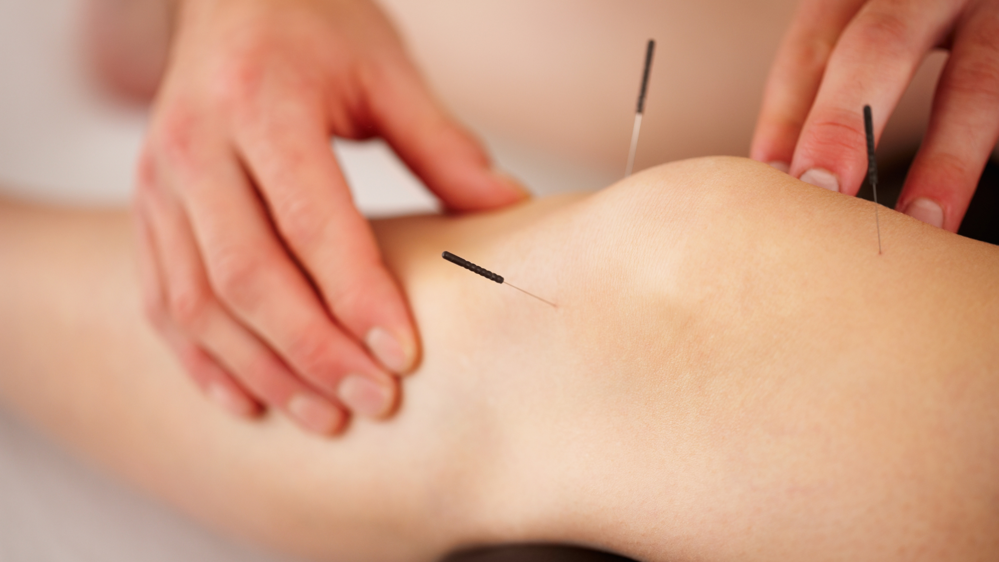
You may experience slight bleeding, tenderness or bruising after your treatment. This should diminish after a few days. Despite their differences, the aftercare for the treatments are similar in that hydration is recommended afterwards. If you cannot rest after your appointment, then at least ten minutes of taking it easy before you drive or otherwise continue your daily activities is recommended in case of wooziness. Some light dizziness, tiredness or even nausea may occur after your appointment as your body adjusts. Respond accordingly and take as much rest as you can.
Finally, the most important thing to consider when booking your appointment is what is safest and most comfortable for you. Always consult your doctor if you have any questions regarding whether a new treatment is right for you, and most practitioners of either practice will be happy to answer any questions you may have prior to treatment.
Wellness delivered to your inbox.


