Best Guides
29/08/2025
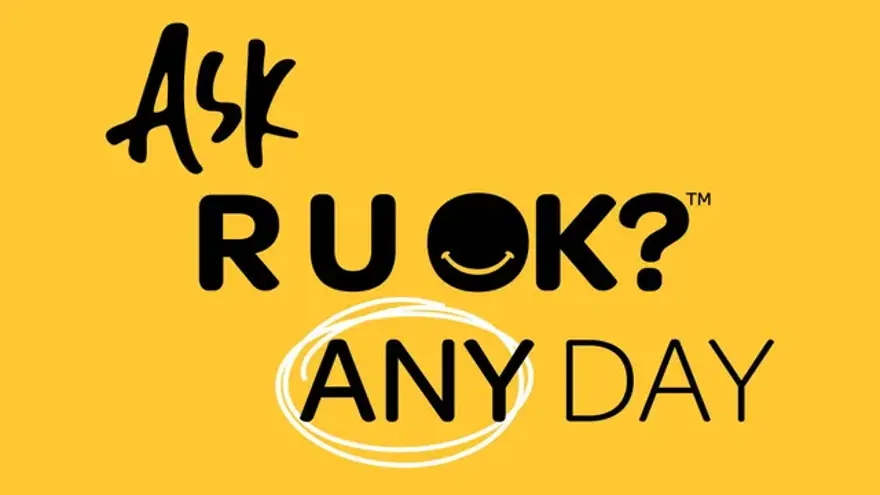
This year, R U OK Day 2025 will serve as a timely reminder to ask the people around you how they’re really doing. But for many workplaces, the conversation fades after the morning tea ends and the posters are taken down.
If we want to truly support employee wellbeing, those three words – “Are you okay?” – need to become part of our everyday work culture, not just a once-a-year initiative. So, here’s how corporate leaders can move from an annual awareness campaign to building a culture of care that’s embedded into the daily rhythm of work.
Leaders set the tone. If managers only show up to talk about mental health on R U OK Day, the message can feel tokenistic. Authenticity comes from consistency.
Share your own experiences of challenges and setbacks, or times you’ve needed support. That doesn’t mean oversharing – it’s about modelling that vulnerability is not a weakness in the workplace. When leaders show they’re human, it gives others permission to be open too.
Even small actions matter, like asking your team how they’re doing at the start of meetings or following up when someone mentions they’re having a tough week. Then, it’s about actually listening to the answer.
Instead of a once-off morning tea in September, integrate check-ins into the weekly schedule.
Start meetings with a mood check: A quick ‘one-word feeling’ round or a thumbs-up/down/sideways check can help gauge team energy levels.
Use one-on-one time wisely: Don’t dive straight into KPIs. Ask about personal wellbeing first.
Encourage peer check-ins: Create a buddy system where team members support each other between manager conversations.
When check-ins are expected and frequent, conversations about mental health become normalised.
Not everyone knows how to start or handle conversations about mental health. Setting up training sessions – whether that’s internal workshops or off-site programs – can help. Topics might include:
Recognising early signs that someone is struggling.
Asking open, non-judgemental questions.
Responding with empathy rather than solutions.
Knowing where to direct someone for professional help.
Upskilling your workforce means you can move from relying on one or two go-to people to creating a workplace where everyone is confident about supporting each other.
Employee wellbeing is about more than just the conversations – it’s also about the conditions in which people work every day. If workloads are unsustainable or there’s no flexibility, even the most caring conversations won’t fix burnout. Food for thought:
Workload balance – are expectations realistic?
Flexibility – can people adjust their hours or work remotely when needed?
Spaces for recharge – quiet rooms, wellness zones or simply the freedom to take a walk at lunch.
Physical and operational environments play a huge role in mental health. Leaders who address these factors create a foundation upon which “R U OK?” has real weight.
Mental health is personal. For some, “OK” means being able to meet deadlines without staying late every night. For others, it means having enough energy to enjoy their hobbies after work.
Steer clear of one-size-fits-all solutions. Instead, take the time to understand individual needs through feedback sessions or anonymous surveys. The more you customise your approach, the more likely your initiatives are to have lasting impact.
Use R U OK Day 2025 as a catalyst, but don’t stop there. Mark other wellbeing-related dates on the calendar – such as World Mental Health Day – and keep the momentum going with monthly or quarterly initiatives. These could include:
Wellbeing Wednesdays with short mindfulness sessions.
Guest speakers on resilience and mental health.
Walk-and-talk meetings to encourage movement and connection.
Culture change is an ongoing process. Gather feedback on what’s working and where gaps have appeared. Track participation in wellbeing initiatives and look for patterns – are some teams more engaged than others? Are there barriers stopping people from participating?
Use this information to refine your approach. The more you respond to what your people need, the more meaningful your culture of care will become.
Making “R U OK?” part of everyday work life shouldn’t be a box-ticking exercise for corporate responsibility. Instead, it should be about curating an environment where people can do their best work because they feel supported as human beings first.
When employee wellbeing is prioritised year-round, staff are more engaged and teams are more resilient. The result? Businesses see the benefits through retention and performance.
R U OK Day 2025 might be the spark, but the endgame is a workplace where that question – and the conversations it inspires – never goes out of date.
Wellness delivered to your inbox.