Best Blogs
30/10/2025
Walk into a wellness clinic offering craniosacral therapy and you'll find something that looks, at first glance, almost impossibly gentle. A practitioner places their hands on your head, neck, or sacrum and seemingly does nothing. Yet thousands of people swear it's transformed their chronic pain, anxiety, and even digestive issues.
One of the wellness world's most misunderstood wellness practices, craniosacral therapy is an alternative, hands-on healing treatment that sits somewhere between massage therapy, osteopathy and energy work like Reiki.
Often used to address conditions such as migraines, chronic pain, stress-related disorders and symptoms of fibromyalgia, the practice is based on the theory that cerebrospinal fluid moves rhythmically through the brain and spinal cord in what practitioners call the craniosacral system.
The therapy involves a trained practitioner using extremely light touch applied to the skull, spine and sacrum (the triangular bone at the base of the spine) to detect and release tension in connective tissues (fascia) to improve body function.
The practice originated in the 1970s when osteopath John Upledger discovered what he believed was a palpable rhythm in the body's connective tissues. He developed craniosacral therapy as a distinct practice, separate from traditional osteopathic medicine. It's since become a standalone practice offered in spas, massage clinics, and wellness centres worldwide. In Australia, CST practitioners are not regulated by a national body; however, the Craniosacral Therapy Association of Australia (CSTAA) aims to maintain professional standards and ethics within the field, providing resources for both practitioners and the public.
The craniosacral therapy umbrella covers a spectrum, and biodynamic craniosacral therapy sits at the more esoteric end. The key difference is that where standard practitioners use hands-on techniques to actively manipulate tissues and make adjustments, biodynamic practitioners take a step back, literally and philosophically. Rather than directing change, they work with energetic currents and subtle forces rather than mechanical pressure to provide the conditions for self-healing to happen.
If you're seeking specific physical outcomes, standard craniosacral therapy should be your pick. But if you're drawn to a more energetic, metaphysical approach to wellness, biodynamic craniosacral therapy aligns with that.
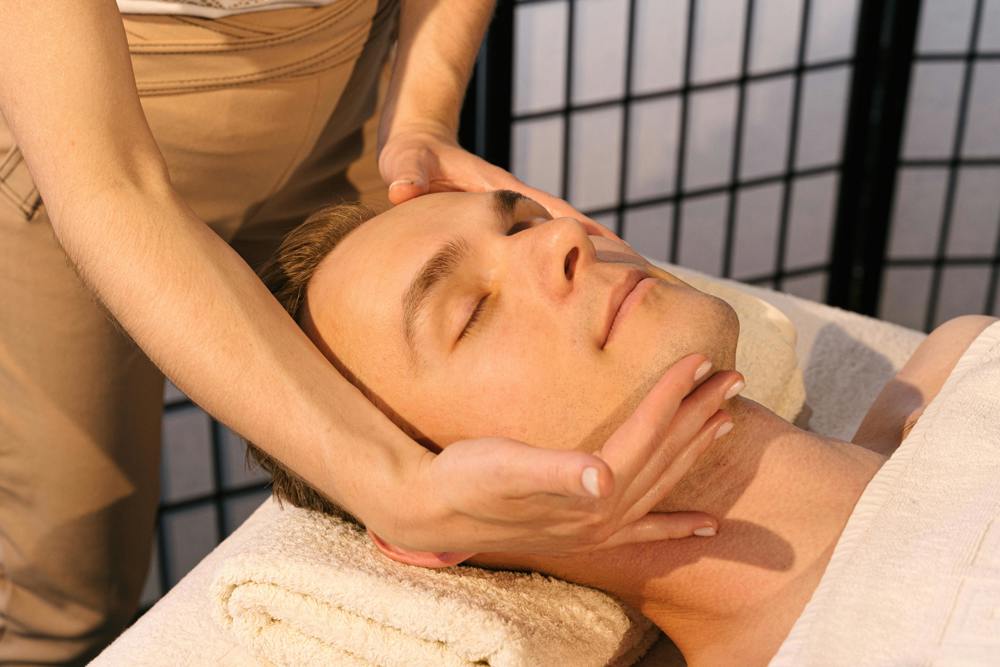
A typical craniosacral therapy session lasts 30 minutes to an hour. You remain fully clothed, lying face-up on a massage table. The practitioner might begin by placing hands under your neck or gently cradling your head, then moves methodically through different areas of the body, feeling for what is referred to as the cranial rhythm, the movement of cerebrospinal fluid, and releasing areas where that rhythm feels restricted or stuck.

The scientific evidence for craniosacral therapy is limited. Several promising studies suggest it may help with tension headaches, fibromyalgia and general pain management.
In Australia, clinical trials involving CST are limited. The Australian Clinical Trials Registry provides information on various clinical trials, but specific studies on CST are scarce. Several promising international studies suggest it may help with tension headaches, fibromyalgia and general pain management.
A 2020 meta-analysis on craniosacral therapy for chronic pain published in BMC Musculoskeletal Disorders reviewed 10 high-quality randomised trials with 681 patients and found craniosacral therapy significantly reduced pain and improved function compared to placebo, sham treatment and standard care, with benefits lasting six months or longer.
The conditions studied included neck and back pain, migraine, headache, fibromyalgia, epicondylitis and pelvic girdle pain. Across all of them, craniosacral therapy showed measurable improvements in pain intensity and disability. The safety profile is solid, too; no serious adverse events were reported across any of the trials.
It is worth noting that the core theory that practitioners can feel and manipulate cerebrospinal fluid rhythm through the skull remains controversial among medical scientists, who argue the skull doesn't allow for the rhythmic motion the practice assumes. But that ambiguity doesn't diminish the anecdotal results. Whether patient improvements stem from the craniosacral system or from the genuine therapeutic power of attentive, calm touch and nervous system downregulation, the data does show that people feel better, and sometimes that's enough.
For anyone curious about gentle ways to support their wellbeing, craniosacral therapy is an easy-to-try option. Some use it alongside conventional treatments for chronic pain, migraines and anxiety, while others turn to it after standard approaches have failed. People who lean towards alternative therapies are often drawn to it because it’s gentle on the body and fits a more holistic approach.
Craniosacral therapy can be a surprisingly calming and restorative experience. While it shouldn’t be seen as a miracle fix, many people do notice reduced tension, relief from headaches or neck pain and a general sense of ease after a session.

Wellness delivered to your inbox.


