Best Blogs
04/05/2026
Ever had a big deadline or an important presentation looming? The pressure builds, your mind starts racing, sleep becomes broken and suddenly, your stomach is in knots. Your appetite drops, digestion feels off, and you may even feel nauseous.
This is stress in action. While we often think of stress as something that lives in the mind, it has a profound impact on the body, particularly the gut.
Understanding the connection between stress and gut health is essential. Why? Because your gut and brain are in constant communication, and when one is out of balance, the other often follows.

The gut and brain are connected through what's known as the gut-brain axis, a complex communication network involving the nervous system, hormones, and gut microbiome.
When you're stressed, your body activates the 'fight or flight' response. This triggers the release of stress hormones including cortisol and adrenaline, which can disrupt normal digestive function. Blood flow is redirected away from the gut, digestion slows, and the balance of beneficial bacteria in your microbiome shifts.
Over time, chronic stress can:

There are several key signs and symptoms that stress may be impacting your gut health:
Sometimes isolated as gastrointestinal issues, these signs and symptoms can be a signal that stress is the real problem.
"Your gut and brain are in constant communication, and when one is out of balance, the other often follows."
Nutrition plays a powerful role in supporting both your gut microbiome and your stress response. During periods of stress, focusing on consistent, quality nourishment is vital.
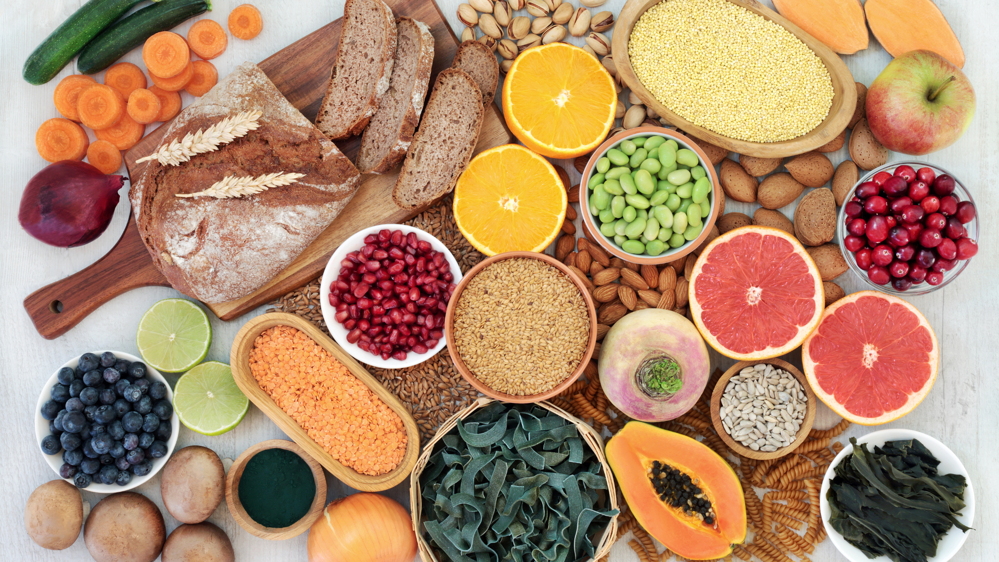
Dietary fibre feeds the beneficial bacteria in your gut and affects the digestion and absorption of nutrients helping to maintain balance. Aim for 30g of fibre per day and include a variety of plant-based foods such as vegetables, fruits, whole grains, legumes, nuts, and seeds.
UPFs are high in added sugars, salt, saturated fats or additives such as emulsifiers and artificial sweeteners, which have inflammatory effects on the gut. Often when we are stressed, our body craves high-energy foods (think chocolate bars, chips), which may satisfy our cravings short term however, these UPFs do not provide the essential nutrients needed to support gut and brain health over time. Prioritise unprocessed foods:
Simple yes but underrated. Water is the most beneficial fluid to consume for gut health. Water helps to promote bowel motility, reducing constipation, along with the breakdown of food, allowing your body to better absorb vitamins and minerals. Whilst it may be convenient to reach for an energy drink or that third coffee when you are tired and stressed, water is your greatest ally. Aim for 2 litres of water per day (8 cups). If plain water doesn't hit the mark, get creative – try adding sliced lemon, orange or cucumber and mint to your water.
While nutrition is foundational, gut health is influenced by more than just what's on your plate.
Stress can easily get on top of you, so why not stay on top of it. Incorporating daily stress management practices such as box breathing exercises, mindfulness, or even short walks can help regulate the nervous system and support digestion.
Good sleep is your greatest asset when it comes to managing stress. Poor sleep increases cortisol levels and negatively impacts the gut microbiome. Aim for 7-9 hours of quality sleep each night.
Whilst the quality of your food matters, how you eat is also important. Eating fast can impair digestion. Taking time to chew properly and eat mindfully helps activate the 'rest and digest' response.
Regular movement supports digestion, a healthy gut microbiome and reduces stress. Even moderate activity, like walking, can be beneficial.
By prioritising good nutrition and simple lifestyle practices, you can strengthen your gut health and build greater resilience to stress over time.
Words by Lauren Parchi, Nutritionist
Wellness delivered to your inbox.


