Best Blogs
16/02/2026
A new year is here, and with it comes the annual life audit. What are my goals? What habits are we keeping? Is this finally the year I stop late-night snack raids? (No promises.) One thing many of us reflect on as the calendar flips is our body; how we treat it, move it, fuel it and feel in it.
If you’re in your self-improvement era and thinking about upgrading your wellness routine, two heavy hitters always rise to the top: Pilates and yoga. Both promise strength, balance and that smug post-class glow - but they’re very different vibes. So how do you know which one’s your match? Don’t stress, we’ve done the stretching for you.
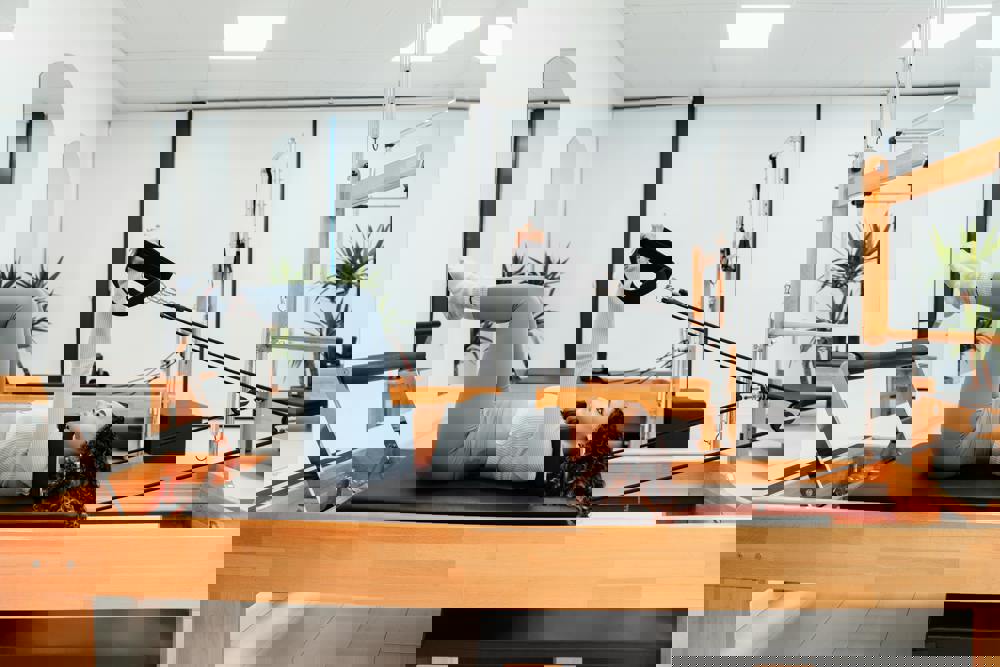
Pilates is a low-impact exercise practice that pays special attention to the core of the body while building strength and flexibility. Developed in 1883 by Joseph Pilates, the program was developed with influences from yoga, martial arts, and dance. It aims to create precise movements that condition the body, strengthen the mind and body connection, and improve posture. Pilates is used by a wide range of people and is popular due to its high intensity without being considered an aerobic exercise. It has been celebrated for its ability to tone, strengthen, and increase flexibility in muscles with a comparatively low number of workouts.
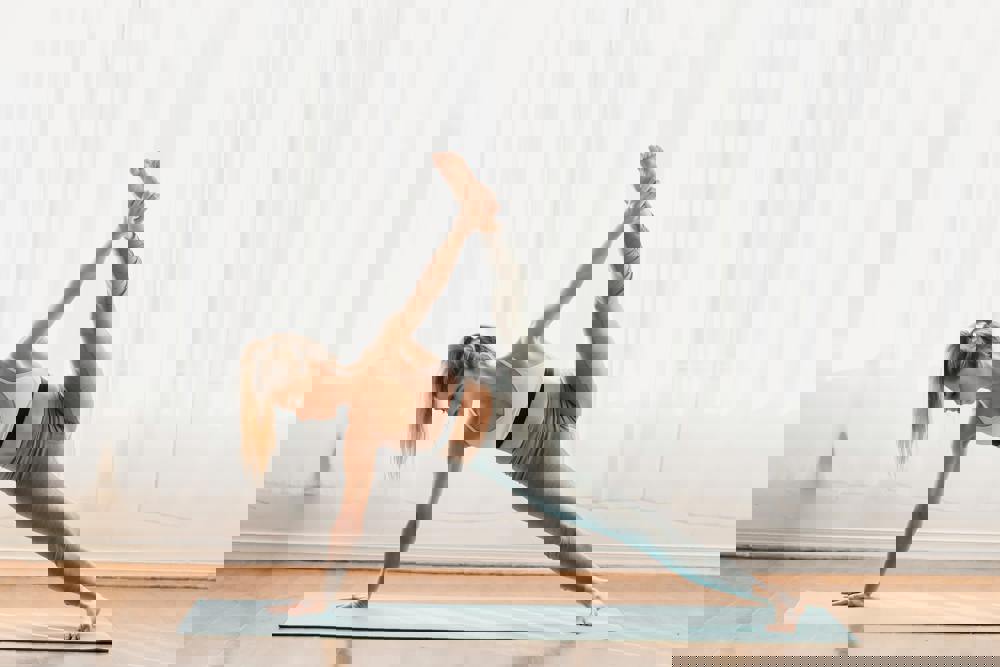
Yoga is an ancient practice from India and is far more closely linked to spirituality than nearly any other exercise type. In yoga, a series of poses, breathing exercises, and meditations are used to move the body, increase relaxation, and reduce stress. Unlike Pilates, yoga is just as likely to be used for its non-physical benefits than for its physical ones, as it promotes calm, flexibility, strength, grounding, and a sense of connection to the world and others. The principles developed through yoga practice can be holistically applied to life, and the practice is closely aligned with a lifestyle where the mind, body, and soul are in balance.
The first thing to consider when comparing the two practices is what you wish to achieve from your sessions. If your motives are purely physical, or you aim to develop a greater return on muscle development and general fitness - Pilates may be a better fit for you. Pilates can even be used to lose weight since the intensity of the workout burns so many calories. However, if a gentler practice is more your speed, or you wish to engage in a more holistic practice, yoga is a good place to start. Yoga is also a good option if you are looking to engage in an activity where you feel not only energised, but relaxed and balanced afterwards.
Another thing to consider is your current experience. Beginners to either practice should attend a class designed for their ability level, as practicing both disciplines correctly is paramount to reap the rewards and avoid injury. If you are typically not too active, experience chronic pain or are less able-bodied; yoga is a great option. Beyond being typically gentler on the body, there are branches of the practice like yin yoga that are slower and place less stress on the body while also providing the benefits of movement and body-mind connection. Alternatively, if you are fit and healthy, looking to challenge yourself or strengthen your body in a more holistic way, Pilates is a good fit. It is important to note that both practices are wide-ranging and flexible, however, and you can find both yoga classes that are more challenging and Pilates classes that are less intense.
Finally, it's a good idea to consider what is most accessible to you. While there are non-equipment options for Pilates, traditionally a reformer; blocks and other aids provided in a class are used during practice. This is fine if you attend a regular class but can make it trickier to work out at home. Alternatively, yoga is very flexible, and often only requires a mat, and maybe blocks or straps at times. As your practice continues, you may decide if you wish to continue at home, and it is vastly easier to do so with yoga than with Pilates (though not impossible).
Wellness delivered to your inbox.