Best Blogs
23/03/2026
If you’ve ever sat in a therapy room and thought, I understand why I do this, so why do I still do it, you’re not alone. Insight doesn’t always equal transformation, and for decades, much of mainstream mental health care has focused on managing symptoms and helping people function well enough to get through the week. It has done important work. It has also left some people wondering whether something deeper is possible.
In Australia, that question has taken on new weight. Since 1 July 2023, authorised psychiatrists have been able to prescribe MDMA for post-traumatic stress disorder and psilocybin for treatment-resistant depression. Psychedelic-assisted therapy has entered the clinical mainstream, carefully regulated and tightly supervised, and it is reshaping how we think about healing.
Dr Aileen Alegado, a clinical psychologist, certified psychedelic-assisted therapist and founder of Envision Wellness Retreats, did not stumble into this space by accident. “With my background in neuropsychology, I always had an interest in the latest developments in neuroscience, technology and medical advancements,” she says. When she learned the treatment would become legalised in Australia in 2023, she enrolled in training and immersed herself in the research. “Once I had done my research and seen the science, I was convinced that this was something that was going to help a lot of my clients.”
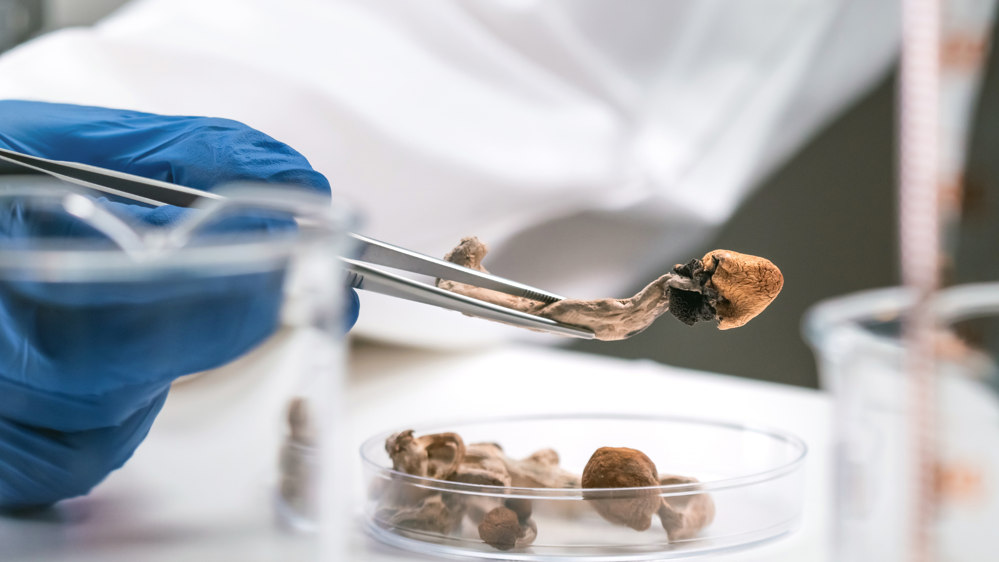
That science is not fringe. Imaging studies show that psilocybin can quieten the default mode network, a system in the brain associated with self-narrative and habitual thought patterns. “The automatic pilot parts of our brain get shushed for a minute so that other parts of our brain can actually have access to each other and talk to each other,” DrAlegado explains. When that happens, entrenched loops can loosen.
Traditional talk therapy works largely at a cognitive level. You examine thoughts, identify distortions, and practice reframing. For many people, that is enough.
Psychedelic-assisted therapy doesn’t replace that work. It works concurrently with it. “It’s not a replacement for what we already have, but more so an added tool in the toolkit,” says Dr Alegado. During a medicine session, which takes place under clinical supervision, the altered state of consciousness can allow clients to access emotions and memories in a way that feels embodied rather than analytical.
This is not about handing someone a capsule and sending them home. A medicine session is part of a structured process that includes screening, preparation and integration. Challenging experiences can arise, and trained therapists are there to support people through non-ordinary states of consciousness safely.
The goal, as can be the case, is not symptom suppression. It’s engagement. Psychedelics can promote openness to material that is often avoided, which can make it possible to work directly with the root of distress rather than skimming the surface.

In a mental health landscape where many treatments require daily medication and incremental shifts over months or years, the idea of an acute, supported intervention that catalyses change is compelling. Psychedelic therapies are typically delivered in a small number of medicine sessions within a therapeutic framework, with integration as the anchor.
Public response has been curious and, at times, surprisingly mature. “Most people I find are quite curious and genuinely want a little bit more information about it,” Dr Alegado says. “They’re kind of sick of quick fixes, and they want something that really will drive transformation rather than symptom reduction.”
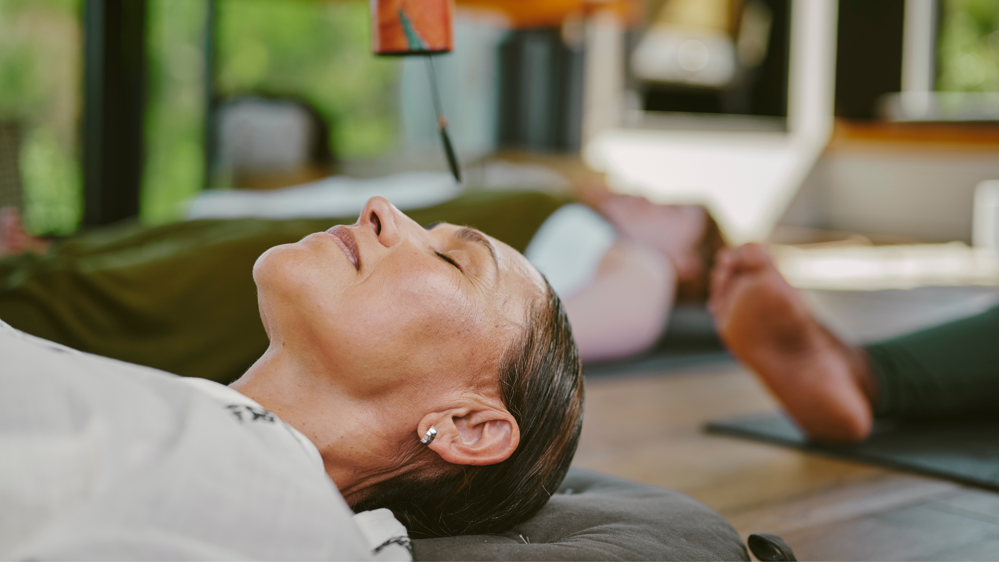
There are misconceptions. One is that taking a psychedelic in therapy means losing control or being sent home with a supply to self-administer. “It’s not something that we give you and then off you go,” she says. Sessions are supervised. Protocols are strict.
Another myth is that this work is only for severely unwell people. “The reality is most people can benefit from this type of work and working on themselves,” she says. She compares it to going to the gym. Whether you are unfit or already strong, training can still enhance your wellbeing.
What excites Dr Alegado most is the bridging taking place between conventional medicine and more holistic tools. “There’s less of this one-size-fits-all model,” she says. “It’s becoming more personalised. It’s becoming more holistic, and we’re becoming more open to different ways of healing.”
For you, as someone navigating your own mental health or supporting someone else, this shift offers choice. It invites questions. It encourages informed curiosity rather than blind optimism.
Psychedelic-assisted therapy requires careful screening, professional guidance and emotional readiness. It can surface discomfort alongside insight. Yet it represents a meaningful evolution in a system that has long searched for deeper remission. The landscape is changing, quietly and carefully. And if you have ever felt that your inner world deserves more than maintenance mode, that change may feel worth watching.
Clinical Psychologist specialising in peak performance and wellbeing, with 15+ years supporting executives and professionals. Founder of Mindset Consulting Psychology and Envision Wellness Retreats.
Wellness delivered to your inbox.


