Best Blogs
26/09/2025
Imagine waking up before sunrise, strapping on a glucose monitor, jumping into an ice bath and sipping a mushroom-laced coffee before your inbox even opens. Sounds intense? Welcome to biohacking, a movement that's transforming how we approach our own biology.
The human body is arguably the most sophisticated machine ever created, yet most of us operate it like we're driving a car with the manual locked in the glove compartment. Biohacking flips that script by making intentional tweaks to your diet, habits, tech and mindset to improve how you work and feel.
Some bio hacks are dead easy, such as sleeping in a dark room, cutting blue light after dark, getting morning sunlight or adopting meditation. Others, like continuous glucose monitors, ice baths, infrared saunas, IV drips and supplements with names you can’t pronounce, are a bit more hardcore. But what unites them all is a commitment to evidence-based self-experimentation.
Sydney naturopath Heather Saunders of Nurture Mind & Body in Paddington describes biohacking as a way to get your body firing at its best.
“It’s about using technology in a non-invasive way to enhance your personal physiology so you can be and feel at your best. Think of it as a personal science experiment: you test, adjust and find what works for you. Done safely, it’s a powerful way to take control of your health.”
Australian biohackers tend to focus on foundational elements such as circadian rhythm optimisation, nutrient timing and environmental factors that align with the country's outdoor lifestyle. And forget the stereotype of wealthy tech bros hooked up to machines like US tech entrepreneur Bryan Johnson, the bio hacking poster child who spends over US$2 million a year on an anti-ageing routine that runs from plasma swaps to strict calorie tracking.
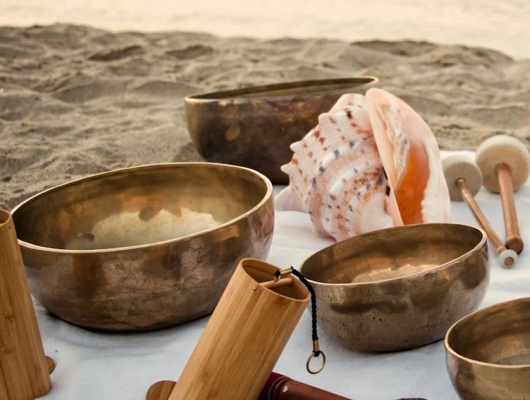
Aussies tend draw on sports science to turn elite athletic strategies into routines anyone can use. They also lean on sustainable, local approaches like managing heat, syncing with natural light, sound and vibration and even weaving in Indigenous nutritional wisdom.
While the biohacking movement has historically skewed male, women are increasingly recognising the need for gender-specific approaches to optimisation. Female physiology presents unique challenges and opportunities that generic biohacking protocols often overlook. Hormonal cycles can change how fasting, training and sleep tweaks work, so many women now track their cycles with other biomarkers and adjust routines to work with, rather than against, their natural rhythms.
Women also tend to care about different outcomes, such as steady energy, mood balance and hormone health, alongside body composition and brain performance. This has led to protocols focused on iron, thyroid support and navigating perimenopause.
“Biohacking isn’t just about physical optimisation. It supports your mental and emotional wellbeing as much as your physical body. And small shifts can have a real impact, helping you feel calmer, sharper and more in flow,” says Heather.
The democratisation of biohacking owes much to online communities, particularly the r/Biohackers Reddit. These forums serve as real-time laboratories where thousands of individuals debate methodologies and share wins, failures, weird hacks and plenty of “Did anyone else try this?” threads. This offers something traditional medical settings often can't, peer-to-peer learning from people experimenting with similar challenges. However, it is important to note that this democratisation comes with caveats. The same openness that makes these communities valuable also means information quality can vary dramatically.
There’s also a growing library of scientific literature and practical guides. Tim Ferriss’ The 4-Hour Body pushed the idea of minimum effective dose and self-experimentation into the mainstream. Dave Asprey’s The Bulletproof Diet turned food timing and quality into a movement. And for science-minded readers, David Sinclair’s Lifespan dives into longevity research, while Dave Woynarowski’s Superhuman explores everything from hormones to cellular health.
If biohacking had an ideal coach, a naturopath would be it as they understand your unique biology, lifestyle and risks and can help you choose habits that align with your health goals rather than blindly copying what everyone else does.
“A naturopath can personalise your biohacking goals. While functional testing and blood pathology are the gold standard, we have plenty of other tools that give clues about what your body needs. I always recommend starting with a professional as it keeps you safe and helps you get results faster,” says Heather.
Begin by mapping your baseline. Track sleep, energy, mood and basic health markers for a few weeks. If you want, you can layer in functional tests like resting heart rate, blood pressure, fasting glucose, hormone panels, gut health, micronutrients or a DEXA scan to check body composition. These numbers give you the foundation for proper experimentation.
Then pick one thing to change at a time. Tweak your sleep schedule and measure the effects for two to four weeks before messing with diet or supplements. This slow, deliberate approach shows what genuinely works versus what just feels like it does.
And remember that more isn’t always better. “Biohacking isn’t about bombarding your body with extremes,” says Heather. “It’s about giving the right information in the right way so your body can do what it does naturally, just more efficiently. The smallest changes often create the biggest impact, working with your body’s own ability to restore and optimise rather than overriding it.”
Wellness delivered to your inbox.